
Kyoto Wagyu guide
What Is the Difference Between Wagyu and Japanese Beef?
Kyoto Wagyu Guide Vol.1
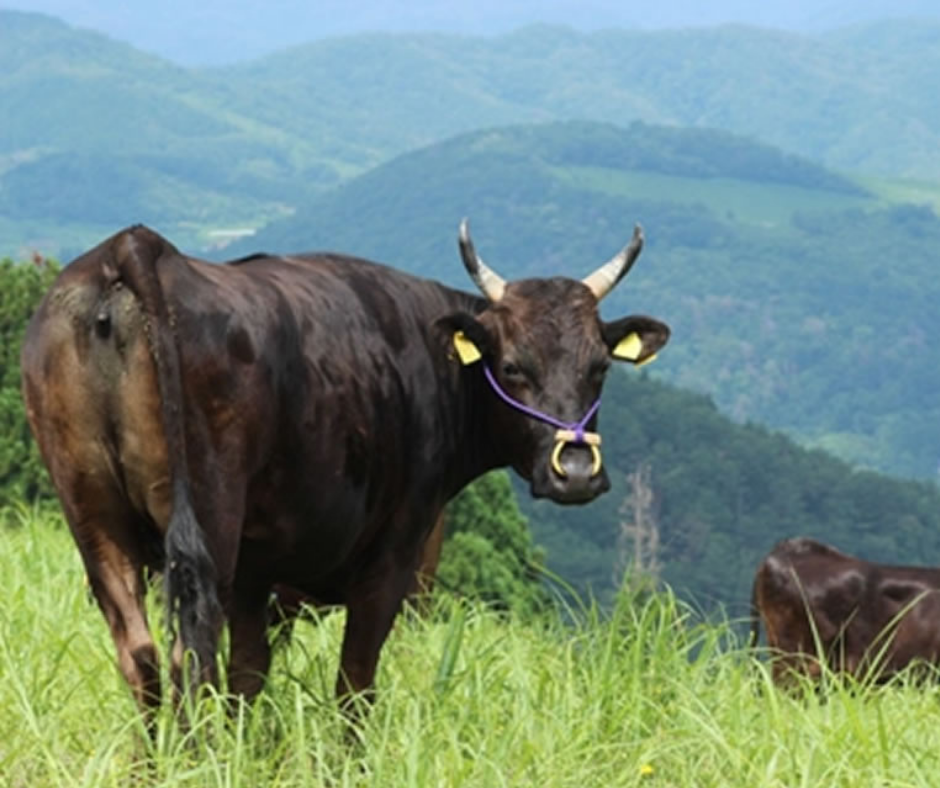
What Is the Difference Between Wagyu and Japanese Beef?
Understanding the Meaning of Authentic Japanese Wagyu
When visiting Japan, many travelers dream of experiencing authentic Japanese beef. Among all Japanese culinary experiences, Wagyu is one of the most famous and internationally recognized.
However, one question is often asked:
“Is all Japanese beef Wagyu?”
The answer is no.
Although the words “Japanese beef” and “Wagyu” are often used interchangeably overseas, they actually have different meanings. Understanding this difference will help you choose and enjoy authentic Japanese Wagyu during your trip to Japan.
What Does “Wagyu” Really Mean?
The word Wagyu (和牛) literally means “Japanese cow” (“Wa” = Japan, “Gyu” = cattle), but it does not simply refer to any cow raised in Japan.
Wagyu refers to specific Japanese cattle breeds that have been carefully developed over generations.
The four officially recognized Wagyu breeds are:
- Japanese Black (Kuroge Washu)
- Japanese Brown (Akage Washu)
- Japanese Shorthorn
- Japanese Polled
Among these, Japanese Black (Kuroge Washu) represents the majority of Wagyu production and is especially famous for its exceptional marbling, tenderness, and rich flavor.
World-famous brands such as:
- Kobe Beef
- Omi Beef
- Matsusaka Beef
all originate from Wagyu bloodlines, particularly Japanese Black cattle.
Wagyu vs Japanese Domestic Beef: What Is the Difference?
The biggest difference is breed versus origin.
Simply explained:
Wagyu = The breed and genetics of the cattle
Japanese Domestic Beef = Beef from cattle raised in Japan
Japanese Domestic Beef, known as Kokusan-gyu (国産牛), refers to beef from cattle that have been raised in Japan for a certain period.
However, the cattle do not necessarily have to be Wagyu.
For example, beef from Holstein cattle, crossbred cattle, or other breeds can also be classified as Japanese Domestic Beef if they meet the requirements.
This means:
Not all Japanese beef is Wagyu.
And:
Authentic Wagyu is not defined only by where it is raised, but by its breed, bloodline, and production standards.
This is one of the most important differences to understand when searching for genuine Japanese Wagyu.
Why Is Authentic Wagyu Special?
The reason Wagyu is loved worldwide is not only because of its beautiful appearance, but because of the unique characteristics created by generations of careful breeding.
The most famous feature of Wagyu is marbling, known as “shimofuri” in Japanese.
Fine intramuscular fat spreads throughout the meat, creating:
- A soft, delicate texture
- A rich aroma
- A naturally sweet flavor
- A melt-in-your-mouth experience
Unlike ordinary beef, high-quality Wagyu fat has a low melting point, which allows the fat to melt gently at body temperature.
This creates the famous sensation that Wagyu “melts in your mouth.”
What Does A5 Wagyu Mean?
Many visitors searching for Japanese Wagyu see the term A5 Wagyu and wonder what it means.
A5 is not a breed.
It is the highest grade in Japan’s beef grading system.
Japanese beef grading evaluates several factors, including:
Yield Grade (A–C)
The amount of usable meat obtained from the animal.
Meat Quality Grade (1–5)
Evaluated based on:
- Marbling
- Meat color
- Firmness and texture
- Fat quality
The highest quality is Grade A5.
However, an important point is that:
A5 does not automatically mean the best taste for everyone.
Different Wagyu brands, cuts, and cooking methods create different experiences.
For example:
- A richly marbled sirloin offers luxurious sweetness and tenderness.
- A leaner cut offers deeper beef flavor and a satisfying texture.
Understanding the characteristics of each Wagyu cut is part of the enjoyment.
Why Should You Experience Wagyu in Japan?
Today, Wagyu is enjoyed around the world. However, experiencing authentic Japanese Wagyu in Japan offers something special.
Japan’s Wagyu culture is built on:
- Generations of breeding knowledge
- Dedicated farmers
- Regional traditions
- Japanese attention to quality
- Respect for ingredients
When you enjoy Kobe Beef, Omi Beef, or other premium Wagyu in Japan, you are not only tasting meat.
You are experiencing a part of Japanese food culture.
Did You Know?
Japan has hundreds of regional Wagyu brands.
Although Kobe Beef is the most internationally famous, many other Wagyu brands have their own unique characteristics influenced by:
- Local climate
- Feeding methods
- Farming techniques
- Regional history
For example, Omi Beef, produced in Shiga Prefecture near Kyoto, has a history of hundreds of years and is considered one of Japan’s most prestigious Wagyu brands.
Experience Authentic Japanese Wagyu in Kyoto
At YAKINIKU STEAK IWAI, located near Nijo Castle in Kyoto, we specialize in authentic A5 Kuroge Wagyu steak, including premium Kobe Beef and Omi Beef.
Our chef carefully selects and prepares each cut to bring out its unique character. Each steak is served on our special heated stone plate, helping maintain the ideal temperature and allowing guests to enjoy the aroma, tenderness, and flavor until the final bite.
For international visitors, we also offer a 100% gluten-free Wagyu steak experience, allowing more guests to enjoy authentic Japanese beef with confidence.
A meal at YAKINIKU STEAK IWAI is not simply a steak dinner.
It is an opportunity to discover the history, craftsmanship, and culture behind one of Japan’s greatest culinary traditions.